M3E Team
1. Dez. 2025 · 6 min read
New Electric Car Incentives in Germany from 2026, Strengthened Programmes in France and the United Kingdom

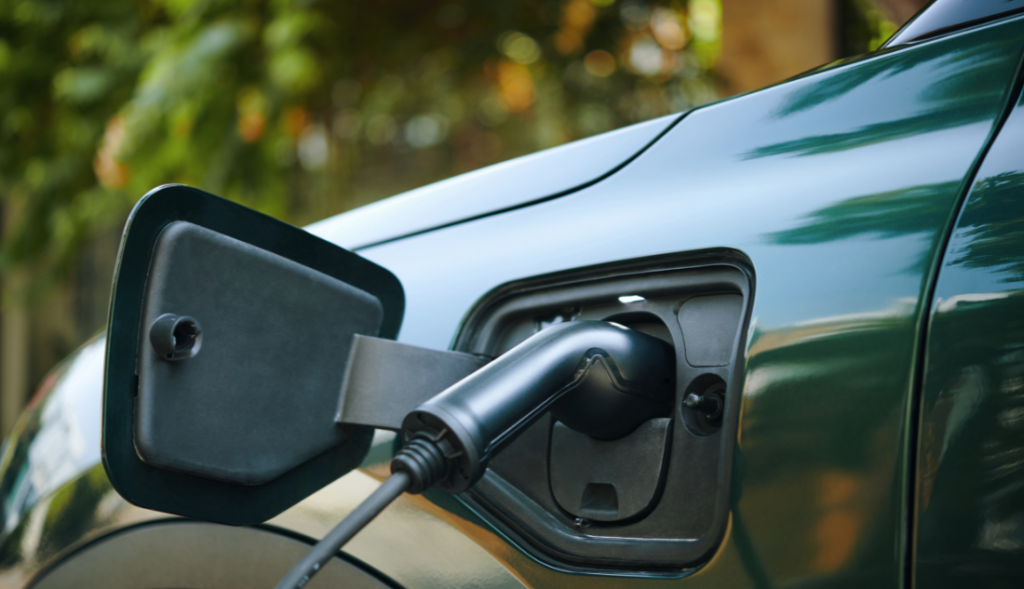
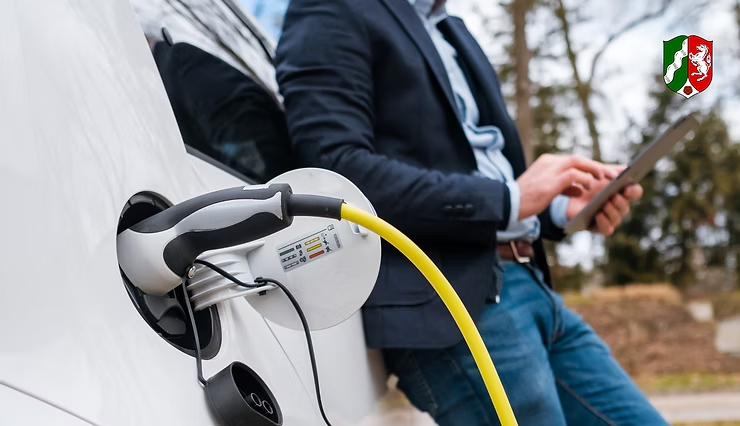
Bildquelle: Pexels (bearbeitet)
Three major European markets announced significant decisions this week that will influence private electric mobility. Germany is ending its subsidy pause and plans to introduce a socially oriented incentive model in 2026. France is continuing its bonus écologique and has refined the framework for the coming year. The United Kingdom intends to expand its Electric Car Grant into a long-term programme with a more stable funding base. As a result, three distinct and increasingly reliable incentive environments are emerging for private battery-electric vehicle purchases.
Germany
After abruptly ending the Umweltbonus in December 2023, Germany is preparing to reintroduce purchase incentives. According to media reports, the governing coalition has agreed on a new model to be launched in 2026. This model is now entering the formal budget and legislative process. The programme is designed for low-income and middle-income households and combines a base incentive with additional payments linked to social criteria. The detailed design will be specified as the process continues. This applies in particular to price caps and the calculation of the social bonus. The planned incentives include
- €3,000 base subsidy
- €500 per child, up to €1,000
- an additional social bonus for low-income households
In total, more than €4,000 in support may be available for the purchase of a fully battery-electric vehicle. Eligible plug-in hybrids will also qualify but with lower subsidy levels because the programme prioritises full electric models.
The draft federal budget allocates up to €550 million for 2026. There is also a financial framework of approximately €3 billion planned through 2029 from the Social Climate Fund and the Climate and Transformation Fund. Final funding levels depend on the parliamentary process. Current indications suggest a renewed and socially focused incentive framework for private EV adoption.
France
France has reformed the earlier bonus écologique and replaced it on 1 July 2025 with a new incentive model that is already fully approved. Support for electric vehicle purchases is now provided through CEE certificates (certificats d’économie d’énergie). According to the French Ministry of Transport, this system will remain unchanged in 2026. The funding amounts are not fixed because they depend on the market price of CEE certificates. They therefore fluctuate and are expressed as indicative values. On the basis of current CEE market prices, the funding levels expected for 2026 are
- up to €5,700 for low-income households
- up to €4,700 for middle-income households
- up to €3,500 for all other households
There is an additional bonus of €1,200 to €2,000 for vehicles equipped with batteries manufactured within the European Union. The level depends on the origin of the components and the depth of production.
France is operating a dynamic incentive model that continues to encourage private EV purchases. At the same time, the programme places stronger emphasis on environmental standards and European industrial criteria.
United Kingdom
The United Kingdom will continue the Electric Car Grant introduced in 2025. The government is preparing a significant expansion for 2026. The programme provides direct purchase rebates within a defined price limit. It was initially funded with £650 million. Under the most recent budget announcement, the government intends to increase the allocation significantly. Multiple consistent media reports, based on current budget documents, refer to an additional £1.3 billion that would secure the scheme through at least 2030 and stabilise grant levels over the coming years. Final confirmation and operational details are subject to parliamentary approval. The grant includes
- up to £3,750 per eligible electric car
- a price limit of around £37,000
- direct deduction of the grant at the point of purchase
The government is also planning around £200 million for charging infrastructure measures. Starting in 2028, a distance-based road charge is planned for electric and plug-in hybrid vehicles. This measure affects operating costs but does not alter the structure of the purchase incentive. The United Kingdom therefore remains a market in which private EV incentives are likely to continue over the long term.
M3E supports international access to incentive programmes
Germany and France are working with incentive models that involve specific eligibility requirements and documentation. M3E supports clients in meeting these requirements and in making efficient use of available incentives. Our expertise covers national and international programmes, which is an advantage for companies operating across borders.
We support private customers, medium-sized companies and large enterprises, including international corporations. The M3E Incentive Database provides a research and monitoring tool that presents relevant programmes, conditions and deadlines across different countries. This gives clients a clear strategic overview and allows them to apply for incentives in a structured, compliant and timely way. Contact us to explore your individual funding strategy. We support regional, national and international projects.
M3E – We Create Solutions. For Your Sustainable Mobility.